Hungary’s Vote Sends a Clear Message: Democracy Still Matters
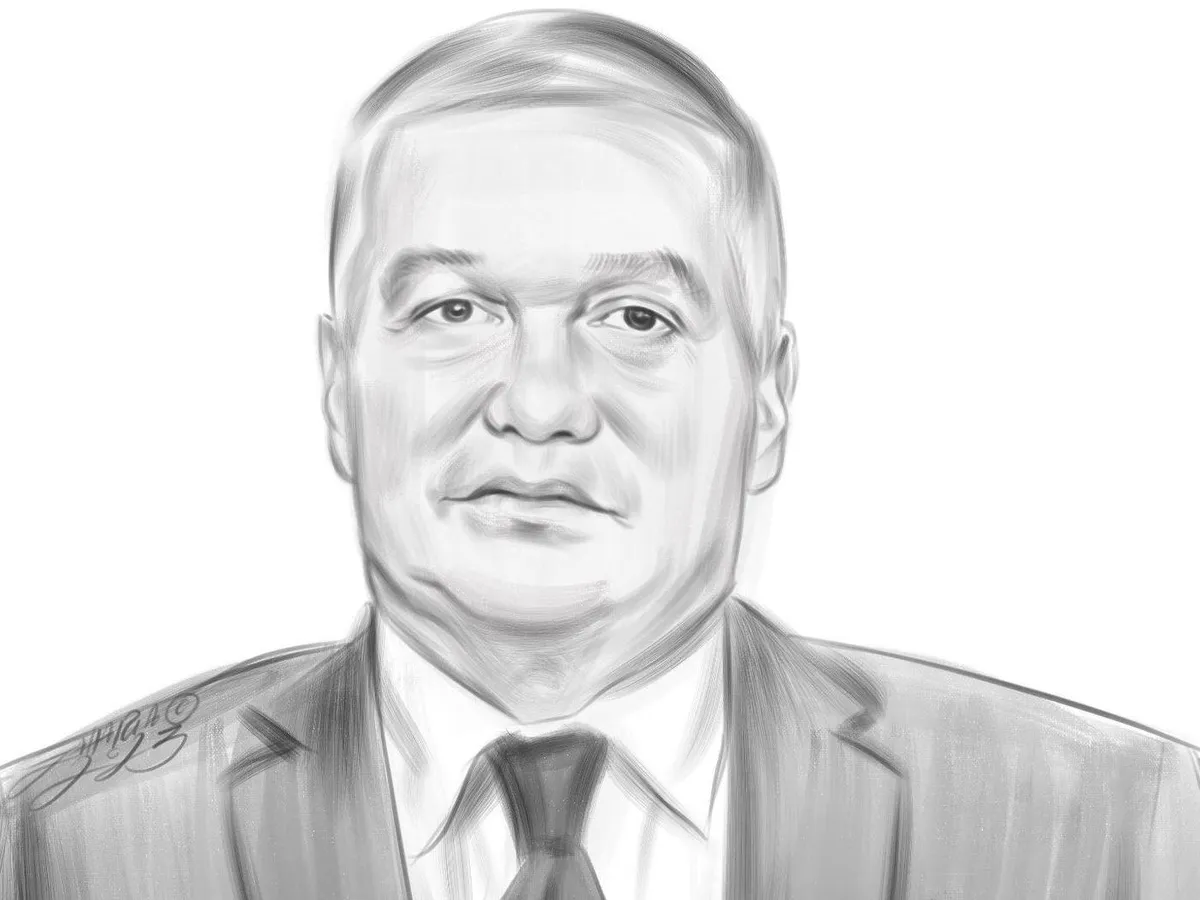
Having served as the United States Ambassador to Romania, I have seen firsthand how fragile and how resilient democracy can be in Central and Eastern Europe.
I worked daily with leaders, civil society, and ordinary citizens who understood that free institutions are never guaranteed and that foreign influence, corruption, and disinformation thrive when democratic norms weaken. That experience gives special meaning to Hungary’s recent election and makes its result impossible to ignore.
With the victory of Peter Magyar and the Tisza movement, the Hungarian people have delivered a powerful message not only to their own leaders, but to Europe, America, and Moscow itself: democracy still matters, and voters are willing to defend it.
This result did not emerge in isolation. Since the collapse of the Soviet Union the Kremlin has sought to reassert dominance over its former sphere of influence. Under Vladimir Putin, Russia abandoned even the rhetoric of democratic reform in favor of an openly autocratic and kleptocratic system that criminalizes opposition, manipulates elections, enriches a narrow elite, and relies on repression at home and aggression abroad.
We have seen how this system projects power beyond Russia’s borders through propaganda, political funding, intimidation, and the weaponization of corruption. Countries with weak institutions and captured media become vulnerable not because their citizens reject democracy, but because democracy is slowly hollowed out from within.
That is why recent elections across the region are so consequential.
Romania decisively rejected Kremlin aligned candidates and preserved its democratic and Euro‑Atlantic orientation. Moldova followed, despite intense pressure and sustained interference, voting overwhelmingly in favor of sovereignty, reform, and democratic accountability. These were not abstract geopolitical contests; they were national choices made under real economic and political strain.
Now Hungary has joined them
For sixteen years, Viktor Orbán systematically dismantled the guardrails of Hungarian democracy. Power was centralized, independent institutions weakened, and public resources redirected to political allies and family members. From a diplomatic standpoint, Hungary became increasingly isolated less a sovereign democratic partner and more a reliable spoiler within the European Union and NATO.
Time and again, Orbán served as Moscow’s most effective advocate inside Western institutions, obstructing collective action while amplifying Kremlin narratives.As a former ambassador, I can say this plainly: alliances are built on trust and shared values. When a government undermines democratic norms at home, it inevitably weakens alliances abroad. Hungary paid a cost in lost credibility, reduced influence, and growing economic vulnerability.
The Hungarian people understood this and they acted.
Their vote was not a rejection of national identity, tradition, or so‑called “family values.” On the contrary, Hungarians are a deeply rooted, proudly national, and often socially conservative people. What they rejected was corruption falsely wrapped in patriotism, authoritarianism sold as sovereignty, and foreign influence disguised as cultural authenticity.
This point deserves emphasis. Across Europe and the United States, pro‑Kremlin propagandists increasingly portray democratic elections as a struggle between liberalism and tradition. In practice, they advance candidates who weaken the rule of law while shielding corruption and foreign dependence. Romania, Moldova, and now Hungary exposed this narrative as a lie. Voters in these countries chose democracy not because they are ideological radicals, but because they are patriots.
They also recognized a hard truth: democracy is not transactional. It cannot be traded for short‑term stability, cheap energy, or convenient alliances. Once democratic institutions are compromised, regaining them is extraordinarily difficult.
Hungary’s election offers hope well beyond its borders. It demonstrates that democratic decline is not inevitable and that even deeply embedded systems of corruption can be challenged peacefully through the ballot box. It shows that voters remain the most powerful check on authoritarian ambition.
The work ahead will be difficult. Rebuilding independent institutions, restoring judicial integrity, repairing relations with allies, and reestablishing Hungary as a constructive and reliable member of the European Union, NATO and its regional neighbors will take sustained effort. But democratic recovery always begins with citizens reclaiming agency over their government.
On behalf of Alianta, I congratulate the people of Hungary, Peter Magyar, and Tisza on this historic victory. At a time when authoritarian leaders insist that democracy is weak and outdated, Hungarians have proven the opposite.
Democracy still matters. And when given a genuine choice, people will defend it.
Adrian Zuckerman is a Romanian-born American lawyer and former diplomat who served as the United States Ambassador to Romania.